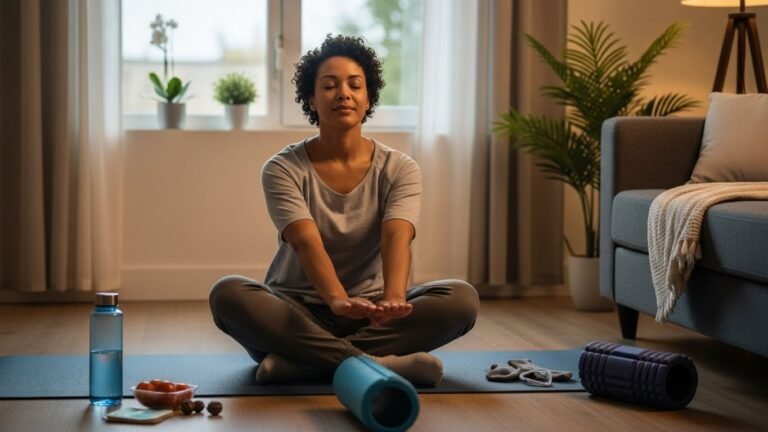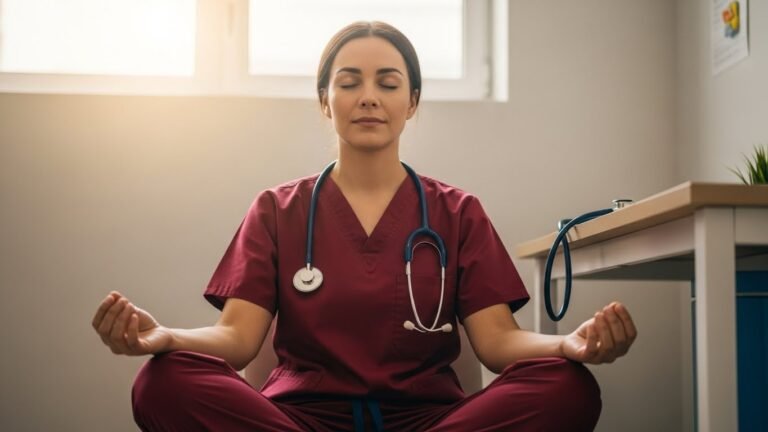

Discover evidence-based, natural stress reduction methods for nurses without medications or synthetic products.
Introduction
The alarm clock blares at 5:30 AM for yet another 12-hour shift. As a nurse, you know what awaits: demanding patients, critical decisions, emotional exhaustion, and the weight of lives depending on your clear mind. By the end of your shift, your muscles ache, your mind races, and stress has infiltrated every fiber of your being.
I’m Abdul-Muumin Wedraogo, a Registered General Nurse with over 10 years of clinical experience spanning Emergency, Pediatric, Intensive Care, and General Ward settings with the Ghana Health Service. Throughout my decade in hospital nursing, I’ve witnessed countless colleagues—and experienced myself—the crushing burden of workplace stress. The relentless pace, staffing shortages, patient acuity, and moral distress create a perfect storm that pushes even the most dedicated nurses toward burnout.
Studies demonstrate that brief mindfulness practices can effectively lower stress, pain, and cortisol levels, according to PubMed Central, offering hope for nurses who feel they don’t have time for extensive self-care routines. The good news? You don’t need medications, expensive treatments, or hours of free time to manage stress effectively. Natural stress reduction methods for working nurses can be integrated seamlessly into your daily routine—before, during, and after your shifts.
In this comprehensive guide, I’ll share chemical-free stress relief for healthcare workers based on current research, my clinical observations, and practical techniques that actually work in the real world of nursing. You’ll discover holistic stress reduction for nurses that addresses mind, body, and spirit without relying on pharmaceuticals or synthetic interventions.
Disclosure: This article contains affiliate links. As an Amazon Associate and affiliate partner of various medical device retailers, Muminmed.com earns from qualifying purchases. This comes at no additional cost to you and helps support our work in providing evidence-based health information. All recommendations are based on clinical experience and research.
Table of Contents
Understanding Nursing Stress: The Scale of the Problem {#understanding-nursing-stress}
Nursing ranks as a notoriously high-stress occupation, emotionally taxing and physically draining, with an elevated incidence of burnout, according to PubMed Central. But what makes nursing stress unique compared to other professions?
The Multiple Dimensions of Nursing Stress
From my decade in hospital settings, I’ve identified several core stressors that nurses face daily:
Clinical Stressors: Life-and-death decisions, high patient acuity, medication errors fears, witnessing suffering and death, managing medical emergencies, and constant vigilance requirements.
Organizational Stressors: Inadequate staffing ratios, mandatory overtime, rotating shifts disrupting circadian rhythms, insufficient resources, and administrative burdens that pull us away from patient care.
Emotional Labor: Compassion fatigue, secondary traumatic stress, moral injury when unable to provide ideal care, managing difficult patients and families, and suppressing personal emotions to maintain professionalism.
Physical Demands: Standing for 12+ hours, lifting and repositioning patients, missing meals and breaks, exposure to infectious diseases, and chronic sleep deprivation from shift work.
The Health Consequences of Chronic Stress
When stress becomes chronic without effective management, the consequences extend beyond feeling “burnt out.” Untreated stress can lead to physical ailments, including high blood pressure or insomnia, and mental health conditions such as depression or anxiety, according to AdventHealth University.
During my years in the ICU, I witnessed colleagues develop stress-related conditions: hypertension, gastrointestinal problems, frequent infections from compromised immune function, and deteriorating mental health. Some left nursing entirely—a loss for both the individual and the profession.
The Science Behind Natural Stress Reduction {#the-science-behind-natural-stress-reduction}
Understanding how natural interventions reduce stress helps us appreciate why these methods work and motivates consistent practice.
Neuroplasticity and Stress Resilience
Based on neuroplasticity, even brief mindfulness self-care strategies can help reduce the intensity of stress and help develop an adaptive response to perceived threat stimuli, according to PubMed Central. This means your brain can literally rewire itself to handle stress more effectively through regular practice of natural techniques.
The Stress Response System
When you encounter a stressor—whether it’s a Code Blue, a difficult family member, or a staffing shortage—your hypothalamic-pituitary-adrenal (HPA) axis activates. Cortisol floods your system, heart rate increases, blood pressure rises, and your body prepares for “fight or flight.”
This response serves us well in genuine emergencies. However, when activated repeatedly throughout 12-hour shifts, day after day, the system becomes dysregulated. Regular physical activity brings increased stress robustness, with evidence showing that a sedentary lifestyle is associated with stress vulnerability, whereas a physically active lifestyle is associated with stress resilience, according to PubMed Central.
Why Natural Methods Work
Natural stress reduction techniques work through multiple mechanisms:
Physiological Regulation: Breathing exercises activate the parasympathetic nervous system, counteracting the stress response and promoting relaxation.
Neurochemical Balance: Physical activity and mindfulness practices increase beneficial neurotransmitters like serotonin and dopamine while reducing stress hormones.
Cognitive Restoration: Simple exposure to natural environments is psychologically restorative and has beneficial influences on individuals’ emotions and ability to reflect on life problems, according to PubMed Central.
Immune Function Enhancement: Regular physical activity correlates with an increase in the expression of neurotrophic factors and markers of synaptic plasticity, as well as a reduction in inflammatory factors, according to PubMed Central.
Mindfulness and Meditation Practices for Nurses {#mindfulness-and-meditation-practices}
Mindfulness-based stress reduction programs have been researched as a potential holistic intervention for reducing stress and burnout in nurses through cultivating present awareness, emotional regulation, and positive thinking, according to PubMed.
What is Mindfulness-Based Stress Reduction (MBSR)?
MBSR, developed by Jon Kabat-Zinn in 1979, combines meditation, body awareness, and yoga to help individuals develop mindfulness—the practice of paying attention to the present moment without judgment.
Core MBSR Practices for Nurses
1. Body Scan Meditation
This practice involves systematically focusing attention on different body parts, promoting awareness of physical sensations, and releasing tension.
How to Practice (10-15 minutes):
- Lie down or sit comfortably during your break
- Close your eyes and take three deep breaths
- Starting with your toes, mentally scan upward through your body
- Notice sensations without trying to change them
- When you notice tension, breathe into that area
- Continue up through the legs, torso, arms, neck, and head
Nursing Application: Perfect for decompressing after a difficult shift or during breaks to release accumulated physical tension.
2. Mindful Breathing
Participants learn to focus on their breath, using it as an anchor to bring attention back to the present moment, according to AIHCP.
Three-Minute Breathing Space (for busy shifts):
- Pause wherever you are
- Take three slow, deep breaths
- Notice the sensation of air entering and leaving your nostrils
- If your mind wanders to stressors, gently return focus to breath
- Resume your work with renewed presence
Clinical Insight: I practice this before entering patients’ rooms, especially for difficult conversations. It centers me and improves my ability to respond compassionately rather than react from my own stress.
3. Sitting Meditation
This practice involves observing thoughts and sensations without judgment, gently redirecting attention to the breath when the mind wanders.
5-10 Minute Practice:
- Sit comfortably with spine upright
- Set a timer to avoid clock-watching
- Focus on your breath or a chosen anchor point
- When thoughts arise (they will!), acknowledge them without judgment
- Return attention to your breath
- End by slowly opening your eyes
4. Loving-Kindness Meditation (LKM)
This practice cultivates compassion for yourself and others—essential for preventing compassion fatigue.
Practice Steps:
- Sit comfortably and close your eyes
- Begin with yourself: “May I be safe, may I be healthy, may I be at peace.”
- Extend to a loved one, then a neutral person, then someone difficult
- Finally, extend to all beings
Why It Matters: LKM directly addresses the emotional exhaustion nurses experience. By intentionally cultivating compassion—including self-compassion—we refill the well that constant caregiving depletes.
Research Evidence
Nurses who received access to the BREATHE stress management program showed significant improvement in perceived nursing-related stress, with reductions in specific areas including stress related to Death and Dying, Conflict with Physicians, Inadequate Preparation, Conflict with Other Nurses, and Work Load. PubMed Central.
Breathwork Techniques: Your Portable Stress Relief Tool {#breathwork-techniques}
Breathwork offers immediate stress relief without requiring any equipment, special location, or significant time investment—making it ideal for nurses.
The Science of Breathwork
Controlled breathing directly influences your autonomic nervous system. Slow, deep breathing activates the parasympathetic nervous system (rest-and-digest mode), counteracting the sympathetic stress response.
Evidence-Based Breathing Techniques for Nurses
1. Diaphragmatic (Belly) Breathing
Technique:
- Place one hand on your chest, one on your abdomen
- Breathe in slowly through your nose for 4 counts
- Your belly should rise while your chest remains relatively still
- Exhale slowly through your mouth for 6-8 counts
- Repeat for 5-10 cycles
When to Use: Before challenging procedures, after emotional patient encounters, or anytime you notice shallow breathing.
2. 4-7-8 Breathing (Dr. Andrew Weil’s Technique)
Technique:
- Exhale completely through your mouth
- Close your mouth and inhale through your nose for 4 counts
- Hold your breath for 7 counts
- Exhale completely through your mouth for 8 counts
- Repeat for 4 cycles
Benefits: This technique is particularly effective for reducing anxiety and promoting sleep after night shifts.
3. Box Breathing (Square Breathing)
Used by Navy SEALs for stress management under extreme pressure.
Technique:
- Inhale for 4 counts
- Hold for 4 counts
- Exhale for 4 counts
- Hold for 4 counts
- Repeat for 5-10 cycles
Nursing Application: Excellent in high-stress situations like codes or difficult conversations with families.
4. Alternate Nostril Breathing (Nadi Shodhana)
This gentle breathing method is especially helpful for reducing stress and preparing the mind for meditation, bringing a deep sense of calm and energetic balance.
Technique:
- Sit comfortably with spine upright
- Use your right thumb to close your right nostril
- Inhale slowly through your left nostril
- Close the left nostril with the ring finger, and release the right nostril
- Exhale through the right nostril
- Inhale through the right nostril
- Close right, exhale through left
- Continue alternating for 5-10 minutes
Benefits: Balances the nervous system and creates mental clarity—perfect for before or after shifts.
Making Breathwork a Habit
During Your Shift:
- Practice three deep breaths before entering each patient’s room
- Use 4-7-8 breathing during brief bathroom breaks
- Practice box breathing before difficult procedures
Between Shifts:
- 10 minutes of alternate nostril breathing in your car before driving home
- Diaphragmatic breathing while lying in bed to transition to sleep
Physical Movement and Exercise {#physical-movement-and-exercise}
There was consistent evidence of a reduction in psychological stress following exercise compared to non-active controls, with improvements shown in 100% of randomized controlled trials examined, according to ScienceDirect.
Why Exercise is Essential for Nurses
Despite being physically active during shifts, nursing work rarely provides the type of intentional movement that reduces stress. Among active participants, a greater accumulation of steps and light intensity physical activity was associated with lower levels of stress, with moderate negative relationships found between steps and stress, according to SAGE Publications.
Types of Exercise for Stress Reduction
1. Aerobic Exercise
Benefits: Exercise releases endorphins and boosts serotonin levels, which can improve mood, appetite, and sleep cycles, according to AdventHealth University.
Practical Options for Nurses:
- Brisk walking 20-30 minutes before or after shifts
- Swimming on days off (low-impact, full-body workout)
- Cycling to work if feasible
- Dancing to favorite music at home
- Jump rope (10-15 minutes provides intense cardiovascular benefit)
My Experience: After exhausting ICU shifts, the last thing I wanted was more physical activity. However, I discovered that a 20-minute walk in my neighborhood actually energized me rather than depleting me further. The key was starting small and being consistent.
2. Strength Training
Benefits: Builds physical resilience for the demands of nursing, improves mood, and enhances metabolism.
Nurse-Friendly Approach:
- Bodyweight exercises at home: push-ups, squats, lunges, planks
- Resistance bands (portable, inexpensive, versatile)
- 15-20 minute sessions 2-3 times per week
- Focus on functional movements that support lifting and positioning patients
3. Light Intensity Physical Activity
Moderate relationships were found between quality of life and light intensity physical activity, with active participants having better satisfaction with life, according to SAGE Publications.
Easy Additions:
- Take the stairs instead of the elevators
- Park farther from the hospital entrance
- Stand and stretch during the report
- Walk during phone conversations
- Do gentle stretches while watching TV
Exercise Timing for Shift Workers
Before Shifts: Light to moderate exercise (20-30 minutes) can boost energy and mental clarity.
After Shifts: Gentle movement like walking or stretching helps decompress without over-stimulating before sleep.
Days Off: Schedule more intensive workouts when you have adequate recovery time.
Overcoming Barriers
“I’m too exhausted”: Start with just 5-10 minutes. Movement often creates energy rather than depleting it.
“I don’t have time”: Break it into micro-sessions (three 10-minute walks equal one 30-minute session).
“I can’t afford a gym”: Bodyweight exercises, walking, and online workout videos are free and effective.
Yoga for Nurses: Mind-Body Integration {#yoga-for-nurses}
A study on Chinese nurses showed statistical improvement in stress levels following a six-month yoga program, and mindfulness-based yoga had a statistically significant effect on the health and well-being of nurses, most specifically for measures of stress, perceived stress, burnout, vitality, sleep quality, serenity, and mindfulness, according to PubMed Central.
Why Yoga Works for Nursing Stress
Yoga uniquely combines physical movement, breathwork, and mindfulness—addressing stress on multiple levels simultaneously. Yoga’s holistic approach, which integrates physical, mental, and spiritual well-being, makes it a valuable tool for managing the unique challenges faced by nursing professionals and students, according to PubMed Central.
Yoga Styles for Different Nursing Needs
1. Chair Yoga (For Breaks During Shifts)
15-Minute Practice:
- Seated spinal twists (release back tension)
- Neck rolls (counteract looking down at charts/computers)
- Seated forward bend (calms nervous system)
- Shoulder shrugs and circles (release upper body tension)
- Ankle circles (improves circulation after standing)
Clinical Application: I’ve taught these simple poses to colleagues during breaks. They take minimal space and require no special attire—perfect for clinical settings.
2. Vinyasa Flow (For Days Off)
Benefits: Dynamic sequences linking breath with movement create a “moving meditation” that releases tension, builds strength, and elevates mood.
30-45 Minute Practice:
- Sun Salutations to warm up
- Standing poses for strength and grounding
- Balance poses for mental focus
- Hip openers (release emotional and physical tension)
- Gentle backbends (counteract hunched posture)
- Final relaxation (Savasana)
3. Restorative Yoga (For Deep Recovery)
Using props to support the body in passive poses, this style focuses on deep relaxation, excellent for unwinding after a long day, promoting sleep and recovery.
Props Needed: Pillows, blankets, bolsters (or household substitutes)
Key Poses:
- Supported Child’s Pose (5-10 minutes)
- Legs-Up-The-Wall (10-15 minutes) – excellent for nurses who stand all day
- Supported Bridge Pose (5-10 minutes)
- Reclined Bound Angle Pose (10 minutes)
Starting a Yoga Practice
For Beginners:
- Start with 10-15 minute YouTube videos for nurses
- Focus on breath rather than perfect poses
- Listen to your body—yoga should never cause pain
- Consistency matters more than intensity
Building a Routine:
- 10 minutes of morning yoga before work sets a calm tone
- Chair yoga during breaks maintains physical ease
- 20-30 minutes of restorative yoga after evening shifts promotes sleep
- Longer vinyasa sessions on days off build overall resilience
Aromatherapy and Essential Oils in Clinical Settings {#aromatherapy-and-essential-oils}
Two nurse-driven aromatherapy studies indicated decreased staff perception of stress and increased mood, with patients also experiencing decreased agitation, according to the American Nurse Journal.
The Science of Aromatherapy
When you inhale essential oil molecules, they travel through your nasal cavity to your olfactory bulb, directly connecting to your limbic system—the brain’s emotional center. This explains aromatherapy’s rapid effects on mood and stress.
Evidence-Based Essential Oils for Nursing Stress
1. Lavender (Lavandula angustifolia)
Research Evidence: Aromatherapy with 3% lavender oil was effective in reducing stress symptoms for 3 or 4 days, with stress symptoms in the treatment group decreasing from a mean of 6.1 to 2.8 post-intervention, according to PubMed.
Benefits:
- Reduces anxiety and promotes relaxation
- Improves sleep quality
- Lowers heart rate and blood pressure
- Calms the nervous system
How to Use:
- Diffuse in staff break rooms (if permitted)
- Apply diluted oil to pulse points
- Add to unscented lotion for hand massage during breaks
- Place a drop on your badge or uniform collar
2. Bergamot (Citrus bergamia)
Research Evidence: During the COVID-19 pandemic, aromatherapy with bergamot essential oil showed a significant impact on work concern and personal fatigue among nursing staff, with diffusion conducted for one month showing positive effects, according to PubMed Central.
Benefits:
- Reduces anxiety and stress
- Uplifts mood
- Promotes positive feelings
- Balances emotions
Application: Particularly effective in diffusers at nursing stations or worn on aromatherapy patches.
3. Lemon (Citrus limon)
Benefits:
- Increases alertness and concentration
- Reduces feelings of anxiety
- Creates a positive mood
- Energizing without over-stimulation
Ideal For: Morning shifts or when you need mental clarity.
4. Marjoram (Origanum majorana)
Research Evidence: Inhalation of 3% marjoram essential oil at work showed the ability to modulate stress and anxiety of nurses in COVID-19 ICU settings, with anxiety and fatigue levels reduced by 40% and stress levels decreased by half.
Benefits:
- Calming effects
- Alleviates negative emotions
- Promotes relaxation
- Reduces anxiety
5. Peppermint (Mentha piperita)
Benefits:
- Increases alertness
- Reduces fatigue
- Improves concentration
- Relieves tension headaches
Clinical Use: Excellent for night shifts or mid-shift energy dips.
Safe Aromatherapy Practices for Nurses
Dilution Guidelines:
- Topical use: 2-3% dilution (2-3 drops essential oil per teaspoon of carrier oil)
- Never apply undiluted essential oils directly to skin
- Patch test new oils before regular use
Quality Matters:
- Purchase 100% pure, therapeutic-grade essential oils.
- Avoid synthetic fragrances labeled as “essential oils.”
- Reputable brands: Plant Therapy, Rocky Mountain Oils, Eden’s Garden
Safety Considerations:
- Some oils can trigger allergies or migraines in sensitive individuals
- Respect colleagues’ preferences in shared spaces
- Avoid strong scents in patient care areas where they might interfere with assessments
- Check facility policies before using diffusers
Practical Implementation
Personal Aromatherapy Kit:
- Small roll-on bottles with pre-diluted oils
- Aromatherapy inhaler sticks (portable, discrete)
- Personal diffuser (battery-operated for break rooms)
- Lavender oil for stress, peppermint for energy, lemon for clarity
Cost-Effective Options:
- Start with 2-3 essential oils ($30-50 investment)
- One drop goes a long way—bottles last months
- DIY blends cost pennies per use
- Shared diffusers split costs among colleagues
Nature Therapy and Green Space Exposure {#nature-therapy-and-green-space}
Spending time in nature is one of the most effective ways to disconnect from the pressures of the job and recalibrate, with nature shown to reduce stress, lower blood pressure, and improve overall well-being.
The Healing Power of Nature
Individuals have less mental distress, less anxiety and depression, greater Well-being, and healthier cortisol profiles when living in urban areas with more green space compared with less green space, according toPubMed Central.
Forest Bathing (Shinrin-Yoku)
This Japanese practice involves mindfully immersing yourself in forest environments.
How to Practice:
- Find a natural setting (forest, park, nature trail)
- Leave your phone behind or silence notifications
- Walk slowly without a destination
- Engage all five senses:
- Sight: Notice colors, patterns, light through trees
- Sound: Birds, rustling leaves, flowing water
- Smell: Earth, plants, fresh air
- Touch: Tree bark, leaves, cool breeze
- Taste: Fresh air, bring herbal tea
Time Requirement: Studies show 120 minutes per week in green spaces—either all at once or spaced over several visits—leads to substantially improved health and psychological well-being.
Nature Exposure for Busy Nurses
Before Work (10-15 minutes):
- Eat breakfast outside
- Practice morning meditation in your backyard or a nearby park
- Take a brief walk observing nature
During Breaks (5-10 minutes):
- Step outside the hospital for fresh air
- Stand near trees or gardens on hospital grounds
- Look at the nature views from the windows mindfully
After Work (15-30 minutes):
- Decompress with a walk in a local park before going home
- Garden or tend indoor plants
- Sit outside while making phone calls
Days Off:
- Longer nature excursions: hiking, beach walks, botanical gardens
- Outdoor activities: cycling, kayaking, bird watching
- Simply sitting in nature, reading, or journaling
Bringing Nature Indoors
For nurses with limited outdoor access:
Indoor Plants:
- Low-maintenance options: pothos, snake plant, spider plant
- Benefits: improved air quality, reduced stress, connection to living things
- Place near workstations if allowed
Nature Imagery:
- Desktop backgrounds or screensavers with nature scenes
- Photos from favorite outdoor locations
- Nature sounds playlists during breaks
Natural Light:
- Take breaks near windows when possible
- Use full-spectrum light bulbs at home
- Open curtains to maximize daylight exposure
Urban Green Spaces
Communities involved in “greening” vacant lots experienced more significant reductions in depressive symptoms and feelings of worthlessness compared to control groups, with spending as little as 30 minutes in outdoor green spaces once a week leading to a reduction in depressive symptoms, according to the Anxiety and Depression Association of America.
Finding Green Spaces:
- Use apps like AllTrails or ParkFinder
- Explore local parks you’ve never visited
- Community gardens (often welcoming volunteers)
- University campuses with green spaces open to the public
- Hospital healing gardens
Creating a Personal Natural Stress Management Plan {#creating-your-plan}
Effective stress management requires an individualized, sustainable approach tailored to your unique circumstances, preferences, and schedule.
Step 1: Assess Your Current Stress Level and Patterns
Stress Inventory Questions:
- What are my primary stressors? (List top 5)
- When do I feel most stressed? (Specific shifts, situations, times)
- What physical symptoms do I experience? (Headaches, muscle tension, sleep problems)
- What emotional signs appear? (Irritability, anxiety, feeling overwhelmed)
- How is stress affecting my work performance and personal life?
Step 2: Identify Your Preferences and Constraints
Personal Preferences:
- Do I prefer solitary or social stress relief activities?
- Am I more drawn to physical movement or quiet practices?
- What environments help me feel calm? (Nature, quiet spaces, home)
- What time of day do I have the most energy for self-care?
Practical Constraints:
- Work schedule (day/night shifts, rotation patterns)
- Family responsibilities
- Budget for equipment or classes
- Physical limitations or health conditions
- Available spaces (home, neighborhood, work environment)
Step 3: Select Your Natural Stress Reduction Toolkit
Choose 2-3 techniques from each category to create a comprehensive approach:
Daily Micro-Practices (5-10 minutes):
- Breathing exercises
- Brief mindfulness
- Chair yoga
- Aromatherapy
Regular Practices (20-30 minutes, 3-5x/week):
- Meditation
- Exercise/walking
- Yoga
- Nature time
Weekly Restoration (1-2 hours):
- Longer nature excursions
- Extended yoga sessions
- Restorative practices
- Creative activities
Step 4: Create Implementation Plans
Morning Routine Example:
- 5 minutes: Mindful breathing or meditation
- 10 minutes: Gentle stretching or yoga
- 5 minutes: Setting intention for the day
- Apply the aromatherapy blend
During-Shift Practices:
- Three deep breaths before entering patient rooms
- 5-minute nature break mid-shift
- Aromatherapy patch or roll-on
- Chair yoga during breaks
Post-Shift Decompression:
- 15-minute walk in nature or around the neighborhood
- 10 minutes of alternate nostril breathing
- Restorative yoga pose
- Evening aromatherapy routine
Step 5: Track and Adjust
Journaling Practice:
- Rate stress level daily (1-10 scale)
- Note which techniques you practiced
- Record how you felt before/after practices
- Identify patterns over 2-4 weeks
Adjustment Questions:
- Which techniques am I actually doing consistently?
- Which provides the most noticeable benefit?
- What barriers prevent me from practicing?
- How can I modify approaches to increase sustainability?
Sample Weekly Schedule
Work Days (3-4 shifts):
- Morning: 15 minutes yoga + aromatherapy
- During shift: Breathwork + nature breaks
- Evening: 20 minutes walking + meditation
Recovery Day (post-work):
- Gentle movement only
- Extended nature time
- Restorative yoga
- Early sleep focus
Days Off:
- Longer yoga or exercise session
- Forest bathing or hiking
- Creative activities
- Meal preparation with calming music
Practical Implementation: Making It Work with Your Schedule {#practical-implementation}
Theory is wonderful, but implementation determines success. Here’s how to actually integrate natural stress reduction into your nursing life.
Overcoming Common Barriers
Barrier 1: “I Don’t Have Time”
Solution: Start with micro-practices that take less than 5 minutes:
- Three conscious breaths take 30 seconds
- 2-minute body scan during bathroom breaks
- 5-minute nature observation outside the hospital entrance
Reframe: Self-care isn’t selfish—it’s essential for providing quality patient care. You can’t pour from an empty cup.
Barrier 2: “I’m Too Tired After Work”
Solution:
- Practice BEFORE shifts when energy is higher
- Choose gentle options post-shift (walking, stretching, breathwork)
- Remember: appropriate movement often creates energy
Barrier 3: “I Can’t Afford Classes or Equipment”
Solution:
- YouTube offers thousands of free yoga and meditation videos
- Walking and breathwork require zero equipment
- Essential oils: start with 2-3 (one-time investment of $30-40)
- Nature is free and available to everyone
- Library books and apps provide free guidance
Barrier 4: “My Facility Won’t Allow Aromatherapy”
Solution:
- Use personal aromatherapy (roll-ons, inhalers) away from patient areas
- Practice at home before/after shifts
- Advocate for pilot programs demonstrating benefits
- Focus on other techniques during work hours
Building Sustainable Habits
Start Small: Choose ONE technique to practice daily for 2 weeks before adding more.
Anchor to Existing Habits:
- Breathwork before morning coffee
- Stretching while watching the evening news
- Meditation after brushing teeth
Use Reminders:
- Phone alarms for breathing breaks
- Sticky notes with technique cues
- Buddy system with colleagues
Celebrate Progress: Track consecutive days of practice and reward milestones.
Creating a Supportive Environment
At Work:
- Share techniques with receptive colleagues
- Form a wellness buddy system
- Propose wellness committee initiatives
- Create a designated relaxation space
At Home:
- Dedicate a peaceful corner for practice
- Involve family in understanding your needs
- Schedule self-care as non-negotiable appointments
- Remove barriers (keep yoga mat rolled out, diffuser plugged in)
When to Seek Additional Support
Natural stress reduction techniques are powerful, but they’re not always sufficient alone. Seek professional help if you experience:
- Persistent feelings of hopelessness or depression
- Thoughts of self-harm
- Inability to sleep despite trying various techniques
- Substance use to cope with stress
- Panic attacks or severe anxiety
- Symptoms interfering with work performance or relationships
Professional counseling, especially from therapists familiar with healthcare worker stress, can complement natural approaches effectively.
Acknowledgments
I would like to express my gratitude to my colleagues in emergency and critical care nursing whose insights and experiences have shaped this article. Thank you to the researchers and healthcare institutions advancing our understanding of evidence-based stress management. I’m grateful to the nurses worldwide who continue providing compassionate care despite immense challenges, and to the organizations like the American Nurses Association and National Academy of Medicine advocating for nurse well-being. Finally, thank you to readers committed to their own wellness—by caring for yourself, you better serve your patients and honor the nursing profession.
Frequently Asked Questions {#frequently-asked-questions}
Q: How quickly can I expect natural stress reduction methods to work?
A: The timeline varies by technique. Breathing exercises provide immediate relief within minutes by activating your parasympathetic nervous system. You may feel calmer after a single session. However, for sustained stress resilience and bigger changes—like improved stress hormone regulation and increased emotional regulation—consistent practice over 4-8 weeks is typically needed. Studies show that even brief mindfulness practices can reduce stress, pain, and cortisol when practiced regularly, according to PubMed Central. The key is consistency rather than perfection. Even 5-10 minutes daily produces measurable benefits within a month.
Q: Can I use aromatherapy at work without disrupting patient care or bothering colleagues?
A: Yes, with mindful implementation. Personal application methods work best in clinical settings—use roll-on applicators on your pulse points or aromatherapy inhalers that only you smell. Avoid diffusing oils in patient care areas where they might interfere with medical assessments or trigger allergies. Nurse-driven aromatherapy studies showed decreased staff perception of stress with proper protocols, American Nurse Journal. Always check your facility’s policies first, respect colleagues’ sensitivities, and keep scents subtle. Reserve stronger aromatherapy for home use, where you can fully benefit.
Q: Which natural stress reduction method is most effective for nurses?
A: Research doesn’t identify a single “best” method because effectiveness depends on individual preferences and circumstances. However, studies show strong evidence for several approaches: yoga programs produced statistically significant improvements in nurses’ stress, burnout, sleep quality, and overall well-being, according to PubMed Central; mindfulness-based interventions consistently reduce nursing stress across multiple studies; and physical exercise showed stress reduction in 100% of randomized controlled trials examined, according to ScienceDirect. The most effective approach combines multiple techniques addressing different aspects of stress—breathwork for immediate relief, regular exercise for physiological resilience, and mindfulness for emotional regulation.
Q: How can I practice natural stress reduction during night shifts?
A: Night shifts present unique challenges but also opportunities. Before your shift, engage in energizing practices like brisk walking, vinyasa yoga, or peppermint aromatherapy to increase alertness. During your shift, use brief breathing exercises and chair yoga to maintain physical comfort and mental clarity. Mid-shift nature breaks—even just stepping outside for 5 minutes—help reset your energy. After your shift, avoid intense exercise, which can interfere with sleep. Instead, focus on calming practices: restorative yoga, lavender aromatherapy, gentle walking, and sleep-promoting breathwork like 4-7-8 breathing. Exposure to morning sunlight, even briefly, helps regulate your circadian rhythm despite reversed sleep schedules.
Q: Are essential oils safe for pregnant nurses or nurses with medical conditions?
A: Safety varies by oil and individual circumstances. Pregnant nurses should avoid certain essential oils, particularly during the first trimester, including clary sage, rosemary, and juniper berry. However, lavender, chamomile, and citrus oils are generally considered safe when properly diluted after the first trimester. Nurses with asthma, epilepsy, or hormone-sensitive conditions should consult healthcare providers before using essential oils, as some can trigger symptoms or interact with medications. Always use proper dilution (2-3% for topical application), perform patch tests, and prioritize inhalation methods over topical application when uncertain. When in doubt, focus on other natural stress reduction techniques like breathwork, meditation, or gentle exercise that don’t carry these concerns.
Q: Can natural stress reduction methods replace therapy or medication for anxiety and depression?
A: No, natural stress reduction techniques should complement—not replace—professional mental health treatment when clinically indicated. These methods are excellent for general stress management and preventing burnout, but clinical anxiety disorders and depression require evidence-based treatment from mental health professionals. Untreated stress can lead to mental health conditions such as depression or anxiety, according to AdventHealth University. If you’re experiencing persistent symptoms that interfere with daily functioning, thoughts of self-harm, or severe anxiety, seek professional help. Many nurses benefit from combining professional therapy with natural stress management practices. Think of natural techniques as preventive maintenance and supportive care rather than primary treatment for mental health conditions.
Q: How much time should I dedicate to natural stress reduction practices weekly?
A: Research provides helpful benchmarks. For nature exposure, studies show 120 minutes per week in green spaces leads to substantially improved health and psychological well-being, according to Yale e360. For exercise, aim for 150 minutes of moderate-intensity or 75 minutes of vigorous-intensity activity weekly, per US guidelines. For mindfulness and meditation, even 10-15 minutes daily (70-105 minutes weekly) produces measurable benefits. Realistically, start with 15-30 minutes daily total across all practices. Quality and consistency matter more than duration. Five minutes of daily breathwork practice provides more benefit than occasional hour-long sessions. As practices become habitual, you can gradually increase duration based on your schedule and preferences.
Q: What if I try these techniques and still feel overwhelmed by nursing stress?
A: Persistent overwhelm despite consistent self-care efforts signals the need for additional support. First, assess whether you’re giving techniques adequate time—most require 4-8 weeks of consistent practice for full benefits. Second, examine whether systemic workplace issues (unsafe staffing ratios, toxic culture, inadequate resources) are creating unsustainable stress levels that no individual coping strategy can fully address. Consider these actions: seek professional counseling specialized in healthcare worker stress, explore whether your work environment can be changed or if a different setting would be healthier, join nursing advocacy organizations working to improve working conditions, and know that leaving a toxic environment isn’t failure—it’s self-preservation. Natural stress reduction techniques support your resilience, but they can’t compensate for fundamentally unhealthy work situations.
Q: Can I teach these techniques to my patients who are also experiencing stress?
A: Absolutely! Many natural stress reduction techniques are appropriate for patient education. Simple breathing exercises, gentle chair yoga, aromatherapy (when medically appropriate), and mindfulness practices can help patients manage stress related to illness, hospitalization, and recovery. However, maintain appropriate boundaries: teach techniques as a nurse providing patient education rather than positioning yourself as a yoga instructor or aromatherapy specialist unless you hold relevant certifications. Provide written resources patients can reference after discharge. Consider which techniques suit individual patients’ conditions, mobility levels, and preferences. Teaching stress reduction not only helps patients—it reinforces your own practice and creates meaningful connections that counter the compassion fatigue many nurses experience.
Q: Are there any risks or contraindications to these natural stress reduction methods?
A: While generally safe, certain considerations apply. For physical practices (yoga, exercise): start gently if you have injuries, chronic pain, cardiovascular conditions, or haven’t exercised recently. Consult healthcare providers about appropriate activity levels. For breathwork: practices involving breath retention (like 4-7-8 breathing) should be approached cautiously by people with respiratory conditions, cardiovascular disease, or pregnancy. If dizziness occurs, stop and return to normal breathing. For aromatherapy, allergies, asthma, pregnancy, and medication interactions require caution. Always dilute oils properly and discontinue use if irritation occurs. For meditation: some people with trauma histories or certain mental health conditions may find intensive meditation challenging initially—shorter sessions or movement-based practices may be preferable. Listen to your body, start conservatively, and seek guidance when uncertain.
Q: How do I stay motivated to maintain these practices when I’m exhausted from work?
A: Motivation naturally waxes and wanes, so building systems that don’t rely solely on motivation is key. First, connect your practice to your “why”—perhaps providing better patient care, being present for family, or preventing burnout. Visual reminders of your purpose help during low-motivation moments. Second, make practices ridiculously easy: keep your yoga mat rolled out, diffuser filled and ready, and walking shoes by the door. Reduce friction. Third, stack practices with existing routines rather than adding new time commitments. Fourth, focus on how you feel after practice rather than the effort to start—this positive reinforcement builds intrinsic motivation. Fifth, be compassionate with yourself on difficult days. Even three conscious breaths count. Perfection isn’t the goal; consistency over time is. Finally, track your practice and celebrate small wins—consecutive days practiced, improvements in sleep or mood, or simply honoring commitments to yourself.
Q: What resources can help me learn these techniques properly?
A: Numerous high-quality, accessible resources exist. For mindfulness and meditation: apps like Insight Timer (free with a premium option), Calm, and Headspace offer guided practices specifically for healthcare workers. Books like “Full Catastrophe Living” by Jon Kabat-Zinn provide comprehensive MBSR guidance. For yoga: YouTube channels like Yoga with Adriene, Sarah Beth Yoga, and Yoga with Kassandra offer free videos for all levels, including sequences specifically for nurses. Look for classes at local community centers, hospitals, or studios offering healthcare worker discounts. For aromatherapy, reputable educational resources include the National Association for Holistic Aromatherapy and books by clinical aromatherapists. For exercise, the American College of Sports Medicine provides evidence-based guidelines. Many hospitals now offer employee wellness programs, including these modalities—check your HR department. Online communities of nurses practicing these techniques provide peer support and practical implementation tips.
Conclusion {#conclusion}
The stress inherent in nursing is undeniable. The emotional weight of patient suffering, the physical demands of 12-hour shifts, the moral distress of inadequate resources, and the constant high-stakes decision-making create a perfect storm that threatens even the most passionate nurses’ well-being and sustainability in the profession.
But here’s what I’ve learned through my 10 years in hospital nursing: while we may not control our work environments completely, we can cultivate resilience through evidence-based, natural stress reduction methods that require neither prescriptions nor expensive interventions.
The techniques shared in this guide—mindfulness meditation, breathwork, physical exercise, yoga, aromatherapy, and nature therapy—offer chemical-free stress relief for healthcare workers backed by substantial research. Nurses who engaged with comprehensive stress management programs showed significant improvements across multiple stress dimensions PubMed Central, demonstrating that these approaches work when implemented consistently.
Start small. Choose one or two techniques that resonate with you. Practice them daily, even briefly. Track how you feel. Gradually expand your natural stress management toolkit as practices become habitual. Remember that investing 15-30 minutes daily in your well-being isn’t selfish—it’s essential for sustaining your capacity to provide compassionate, skilled nursing care.
You became a nurse to make a difference in people’s lives during their most vulnerable moments. That calling is precious and worth protecting. By embracing holistic stress reduction for nurses, you honor both your patients and yourself.
Your well-being matters. Your resilience matters. You matter.
Take the first step today. Your future self—and your patients—will thank you.
Medical Disclaimer: This article is for informational purposes only and does not constitute medical advice. Abdul-Muumin Wedraogo is a Registered General Nurse, but recommendations should not replace consultation with your healthcare provider. Always consult with a qualified physician or healthcare professional before starting any new supplement, diet, exercise program, or treatment regimen, especially if you have existing medical conditions or take medications. If you’re experiencing symptoms of severe anxiety, depression, or thoughts of self-harm, seek immediate professional mental health support.
References {#references}
- Kabat-Zinn, J. (2013). Full Catastrophe Living: Using the Wisdom of Your Body and Mind to Face Stress, Pain, and Illness (Revised Edition). Bantam Books.
- National Institute of Mental Health. (2023). Stress and Your Health. U.S. Department of Health and Human Services. https://www.nimh.nih.gov/health/publications/stress
- Stults-Kolehmainen, M. A., & Sinha, R. (2014). The effects of stress on physical activity and exercise. Sports Medicine, 44(1), 81-121. https://doi.org/10.1007/s40279-013-0090-5
- American Nurses Association. (2023). Healthy Nurse, Healthy Nation. https://www.healthynursehealthynation.org/
- National Academy of Medicine. (2019). Taking Action Against Clinician Burnout: A Systems Approach to Professional Well-Being. The National Academies Press. https://doi.org/10.17226/25521
- Ulrich, R. S., Simons, R. F., Losito, B. D., Fiorito, E., Miles, M. A., & Zelson, M. (1991). Stress recovery during exposure to natural and urban environments. Journal of Environmental Psychology, 11(3), 201-230. https://doi.org/10.1016/S0272-4944(05)80184-7
- Buckley, R. C. (2020). Nature, eco, and adventure therapies for mental health and chronic disease. Frontiers in Public Health, 8, 134. https://doi.org/10.3389/fpubh.2020.00134
- Aromatherapy Registration Council. (2022). Clinical Aromatherapy Guidelines for Healthcare Settings. https://www.aromatherapycouncil.org/
- Centers for Disease Control and Prevention. (2023). Physical Activity Guidelines for Americans. U.S. Department of Health and Human Services. https://www.cdc.gov/physicalactivity/basics/
- World Health Organization. (2022). Mental Health at Work. https://www.who.int/news-room/fact-sheets/detail/mental-health-at-work
About the Author
Abdul-Muumin Wedraogo, RGN, BSN, is a Registered General Nurse with over 10 years of clinical experience across Emergency, Pediatric, Intensive Care, and General Ward settings with the Ghana Health Service. He holds a Bachelor of Science in Nursing from Valley View University and graduated from Premier Nurses’ Training College, Ghana.
Abdul-Muumin is a certified member of the Nurses and Midwifery Council (NMC), Ghana, and the Ghana Registered Nurses and Midwives Association (GRNMA). Throughout his nursing career, he has witnessed firsthand the devastating effects of unmanaged workplace stress on healthcare professionals and has committed himself to exploring evidence-based, natural approaches to nurse well-being.
He combines his clinical expertise with technology insights (Diploma in Network Engineering, Advanced Professional in System Engineering) to provide evidence-based reviews of medical devices and health products for Western audiences at Muminmed.com. His work bridges clinical nursing experience with accessible health information, helping healthcare workers and consumers make informed decisions about their wellness.
Abdul-Muumin believes that nurses can only provide optimal patient care when they prioritize their own physical, mental, and emotional health. Through his writing, he advocates for systemic changes in healthcare environments while empowering individual nurses with practical tools for resilience.